How to quickly increase your “intestinal bacteria” by yourself, boost your immune system, improve your figure, and reduce your risk of various diseases.
Having a diverse, healthy population of bacteria in your gut has been linked to a number of health benefits, including improved immune function and a reduced chance of heart disease, diabetes, asthma, depression, irritable bowel syndrome, and certain allergies. But how soon can you improve your gut microbiome?
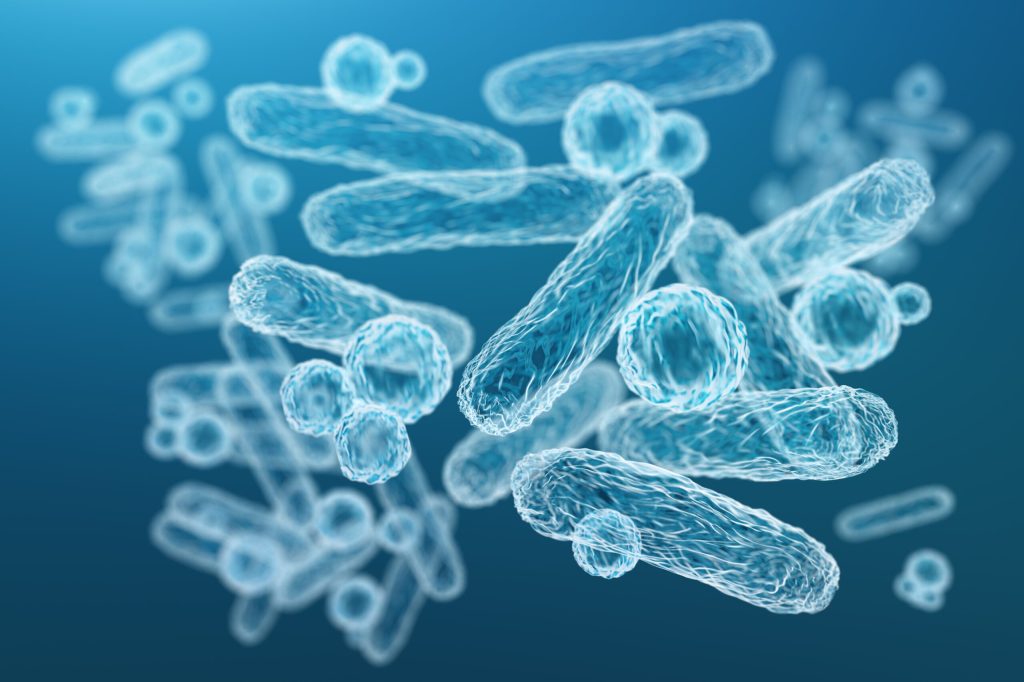
Our body’s microbiota are made up of trillions of cells, including bacteria, viruses, and fungi, with the largest community of these residing in our gut. In fact, there are more bacterial cells than human cells in our body. “Good gut health is linked to the health of almost every other organ in our body,” says Dr. Megan Rossi, also known as the “gut health expert.”
The British Dietetic Association has identified key reasons why our body’s microbes help us, including the role of our gut bacteria in digestion, particularly in breaking down dietary fiber and absorbing nutrients. These bacteria produce a number of vitamins, including folate, B2, B12 and vitamin K. They also produce short-chain fatty acids, which may reduce inflammation, prevent colon disorders and lower cholesterol and blood sugar levels. They also stimulate cells in the bloodstream to fight infection.
How quickly can you improve your gut bacteria?
“We have the ability to shape our gut microbiome simply by how we treat it, and targeting our diet is one of the most effective ways to increase the diversity of our gut microbiome,” says Dr. Rossi. While some research suggests that you can change your gut microbiome within days (for the better or for the worse), this can depend on a number of factors, including the severity of the changes you make to your diet and lifestyle.
Long-term benefits can take months to show, and the same study found that your gut microbiome can return to its original composition if you go back to eating an unhealthy diet. “Maintaining changes and long-term benefits requires consistent, regular support,” says Dr. Sunni Patel, a clinical scientist.
The bacteria in each person’s gut vary greatly (unrelated people reportedly share no more than 30 percent of the same bacterial strains), so “the time it takes for changes to take effect is very individual,” says Dr. Rossi.
What should you eat to improve your gut bacteria?
Everyone is different, but if you’re looking to improve your gut microbiome, some broad principles can apply to everyone.
Eat a wide and varied plant-based diet. “I recommend aiming for 30 ‘plant points’ each week,” says Dr. Rossi. That means eating 30 different types of plants. These should include fruits, vegetables, whole grains, legumes, nuts, seeds, herbs, and spices. A ทางเข้า UFABET สำหรับสมาชิกใหม่ สมัครวันนี้ รับโบนัสฟรี healthy gut has a diverse community of microbes, each of which prefers different foods. So the more variety your diet has, the more diverse bacteria will thrive in your gut.
Eat more fiber. Most people eat less than they should. Fruits, vegetables, legumes, nuts, and whole grains feed the beneficial bacteria. Which ferment fiber and produce compounds thought to be “protective” such as short-chain fatty acids. We’re advised to eat at least 30 grams of fiber a day. But increasing your fiber intake by as little as 6 grams a day (the amount in a bowl of high-fiber breakfast cereal or two thick slices of whole-wheat bread) has been shown to affect gut bacteria. If your diet is low in fiber, a sudden increase can cause gas and bloating. So make small changes and increase your water intake.
Avoid highly processed foods. These foods often contain ingredients that inhibit ‘good’ bacteria or increase ‘bad’ bacteria.
Probiotic foods — the live bacteria found in fermented foods like yogurt, kimchi and sauerkraut — may help boost the growth of microbes. Eat them if you like. Find out how to make fermented foods on BBC Food.
Opt for extra virgin olive oil over other fats whenever possible. This oil contains the most probiotic-friendly polyphenols.
Antibiotics destroy ‘good’ bacteria as well as ‘bad’ bacteria. If you need antibiotics, make sure you eat plenty of foods that boost your microbiota afterwards.
How does lifestyle affect gut bacteria?
Sleep deprivation, even partial, has been shown to affect the microflora in your gut. Creating a routine and avoiding caffeine and alcohol in the evening can help you get a good night’s sleep. Additionally, managing stress levels and exercising regularly are key to a healthy gut microbiome, says Dr. Rossi.
How do you know if you have a healthy gut?
“This is the most common question I get in the clinic and on social media, and it’s one I can’t give a simple answer to,” Dr. Rossi says, adding that there’s no single measure to assess gut health. She doesn’t recommend commercial gut microbiome tests to assess a client’s likely diverse microbiome. She asks questions about their plant intake, sleep quality, stress levels, and exercise patterns.
Your gut microbiome changes with age, but one review points out that it’s unclear whether these changes are due to physiological changes, age-related inflammation, gradual deterioration of the immune system, diet, medications, or chronic health conditions.
“Taking time out for your gut is an investment worth making,” Dr Patel said, adding: “You can never be too young or too old to make sure you’re improving your gut microbiome.